top of page

Specialized in Outdoor Lighting, All Things Poles, & Controls
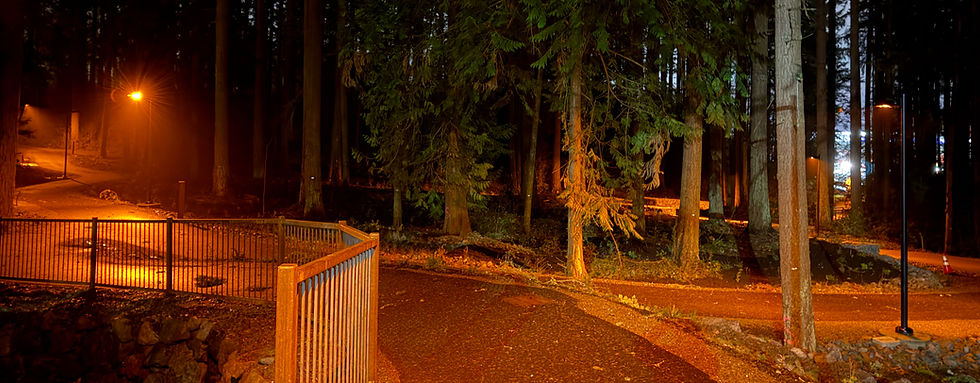

Wildlife Sensitive Lighting Solutions
Pedestrians Feel Safe & Wildlife Is Respected
Disruptive Lighting is All Around Us

Artificial Light at Night (ALAN) CAN be more optimally managed to reduce its impact on the environment
Lighting beyond the pathway wastes energy & disrupts nighttime nature activity
Intrusive light disrupting nesting habitat
Wildlife demanding our attention
Chinook& Steelhead Salmon
Restoring the Salmon fish passage is a top priority of Washington State due to the loss of a major lawsuit with 21 tribes over preserving their fishing rights.
Salmon have unique sight and sensitivity to certain wave lengths of light. If you are designing a project near a salmon stream this is an important consideration.


WA State Salmon Streams
from WA State Fish & Wildlife
Refer to Washington State Fish and wildlife for updates and ability to zoom into your specific area.
Evening Pollinators

Illuminate your outdoor trail, path or area while respecting the natural behavior of moths with our assistance. At PNW, we understand lighting options, that will achieve focus on strategic placement, minimizing vertical surfaces that can confuse moths, and reducing the blue light spectra. Our potential solutions can include creating select dark hours and / or lowering intensity when pedestrian activity is low, ensuring a harmonious balance between safety and nature. Let us help you implement your effective mitigation solutions tailored to your project's specific needs.
Moths are one of the most influential pollinators for our flowering trees in the PNW, including apple, cherry, oak, and pine.
Vital Noctural Pollenators

With 15 species found in the PNW, Bats play a vital role providing insect control along with pollination. Unfortunately, bats are sensitive to a wide range of light spectra. Effective strategies can include, creating dark corridors or implementing special lighting zones.
Evening Migrators
Incorporating lighting controls can provide essential hours of darkness or at least allow for dimming during the crucial bird migration period. With today's proven technology these environmentally-friendly objectives are not only achievable but also practical. By implementing such solutions, we can protect wildlife and promote a healthier ecosystem.

Thoughtful Lighting design is the Solution

Careful placement of Light Just Where it is Needed.
Coupled with Precise Selection of Light Spectra

True Amber Lighting

Red Lighting

PC Amber Lighting

The We-ef Lighting case study of Lauderdale-by-the-sea is a perfect example of employing all of these considerations.
bottom of page